
Responsible Gambling Framework: Player Protection, Risk Awareness, and Support Systems
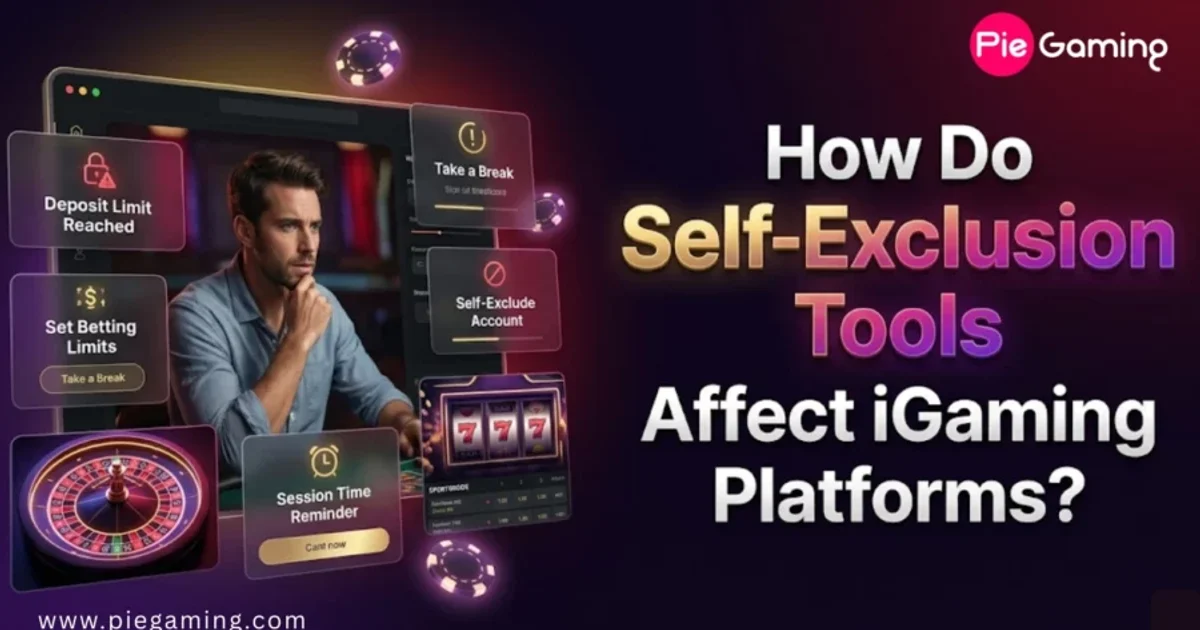
Responsible Gambling Framework: Player Protection, Risk Awareness, and Support Systems
Home > Trust Center > Responsible Gambling
Overview and Context
Participating in digital wagering and interactive casino games carries inherent financial risk. At profb77.com, we view responsible participation not as an optional marketing add-on, but as an indispensable pillar of consumer education. This platform operates under the firm conviction that gaming must be treated solely as a form of discretionary entertainment, never as a mechanism for financial advancement, regular income, or debt relief.
The mathematical structure of all casino games—including digital slots, crash software, and table games—ensures that the house maintains a mathematical advantage over the player across time. While short-term variance can result in temporary returns, sustained engagement invariably trends toward the statistical expectation. A comprehensive understanding of these principles is essential for maintaining control and protecting personal and familial financial security.
We recognize that the accessibility of mobile financial services in Bangladesh, such as instant deposits via bKash and Nagad, can exacerbate impulsive behavior if strict self-imposed limits are not established. Our responsible gambling framework provides practical strategies, behavioral diagnostics, and direct access to accredited support networks to ensure that participation remains safe and controlled.
Fundamental Principles of Safer Participation
To prevent gaming activities from developing into harmful behavioral patterns, participants must establish and enforce strict personal boundaries before engaging with any digital platform:
Establish Absolute Financial Budgets: Never commit funds that are required for essential living obligations, including housing, food, healthcare, education, or loan repayments. Determine an exact entertainment expenditure threshold and treat spent funds as the non-refundable cost of entertainment, equivalent to purchasing a cinema ticket or dining out.
Implement Strict Time Boundaries: Interactive digital gaming environments are designed to sustain player immersion through continuous sensory feedback, rapid game cycles, and dynamic visual stimuli. Set firm time limits before opening a session, utilize physical timers, and take mandatory breaks away from screens to prevent fatigue and emotional decision-making.
Strictly Avoid Chasing Incurred Losses: The impulse to recover lost funds by increasing bet sizes or extending gaming sessions represents the single most prevalent pathway to severe gambling harm. Accept losses as an unavoidable component of the activity, and recognize that increasing stakes after a loss simply escalates financial exposure without improving mathematical probabilities.
Never Utilize Borrowed Capital: Engaging in gaming activities using credit lines, personal loans, borrowed funds from friends or family, or deferred financial obligations is an immediate indicator of high-risk behavior. Only unencumbered, personal discretionary capital should ever be utilized.
Avoid Participation Under Emotional or Chemical Influence: Decision-making capabilities, risk assessment, and self-control are significantly impaired when experiencing stress, anxiety, depressive states, or after consuming alcohol or medications. Maintain a firm policy of only interacting with digital entertainment platforms during calm, rational, and clear-headed states of mind.
Technical Self-Limitation and Protection Tools
Reputable interactive gaming operators provide technical account features designed to assist users in regulating their participation. We encourage all participants to activate these tools immediately upon registering an account:
Deposit and Loss Ceilings: Users can establish daily, weekly, or monthly deposit ceilings within their account profiles. These caps prevent the transfer of funds beyond predetermined boundaries, functioning as an automated barrier against emotional impulse deposits via bKash or Nagad.
Session Reality Checks and Timers: Configurable automated notifications appear on screen at designated intervals (e.g., every 30 or 60 minutes). These alerts display the total duration of the active session, accumulated wagers, and net outcomes, prompting the player to consciously evaluate whether to continue or terminate the session.
Voluntary Cooling-Off Periods: When an individual recognizes emerging agitation or fatigue, account cooling-off features permit temporary account suspensions ranging from 24 hours to several weeks. During this window, access to gaming lobbies and financial transactions is completely blocked.
Formal Self-Exclusion Mechanisms: For individuals requiring long-term cessation, formal self-exclusion protocols disable account access for extended periods (typically six months, one year, or permanently). Once enacted, self-exclusion agreements cannot be rescinded prematurely by customer support representatives, providing a vital safeguard during recovery.
Underage Gaming Prevention and Household Protection Standards
Participation in interactive gaming by minors is strictly unlawful and presents profound risks to developmental well-being. Our platform maintains an uncompromising 18+ standard across all materials and recommendations.
Parents and guardians are strongly encouraged to implement digital filtering software on shared household devices to prevent underage access to gaming portals:
- Implement device-level parental controls on Android and iOS smartphones.
- Install reputable content-filtering desktop utilities such as Net Nanny or CyberPatrol.
- Never store mobile financial credentials or automated login passwords on devices accessible to children.
- Educate youth regarding the financial risks and deceptive representations often associated with digital wagering.
Behavioral Warning Signs: Self-Assessment Diagnostic
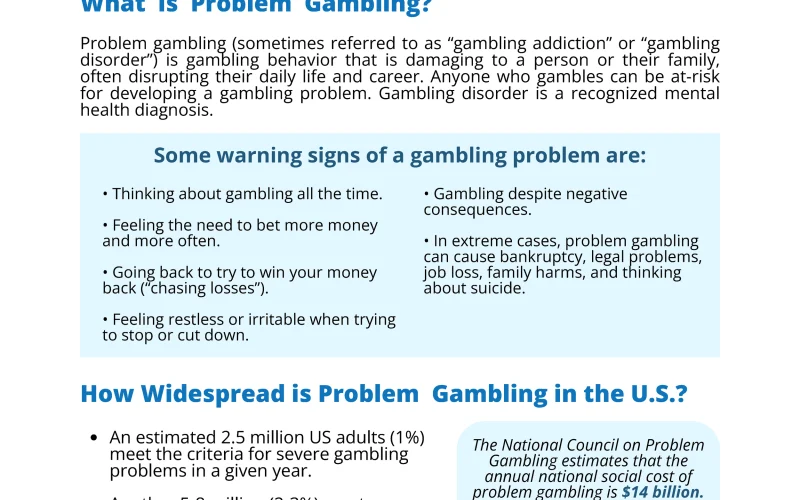
Evaluating your personal relationship with gaming is critical for early detection of problem behaviors. The following diagnostic matrix outlines key differences between healthy recreational play and problematic gambling:
| Behavioral Dimension | Controlled Recreational Engagement | High-Risk Problematic Engagement |
|---|---|---|
| Budgetary Control | Strictly adheres to predetermined financial allocations | Frequently exceeds budget, reloads accounts, or borrows funds |
| Emotional Response | Accepts losses calmly as an entertainment expense | Experiences anger, anxiety, or desperation upon losing |
| Social Engagement | Maintains normal relationships and social obligations | Neglects family, employment, and social commitments to play |
| Transparency | Discusses participation openly without secrecy | Conceals gaming activity, transaction histories, or losses |
| Session Duration | Stops playing when predetermined time expires | Plays for prolonged periods, sacrificing sleep and meals |
| Motivation | Plays for recreational amusement and leisure | Plays to resolve financial deficits, escape distress, or pay debts |
Practical Case Scenarios and Consumer Guidance
To understand how self-limitation protocols function effectively in real-world scenarios, examine the case of a recreational bettor participating during major sports tournaments such as the Bangladesh Premier League or Indian Premier League. Without automated safeguards, the fast-paced nature of in-play ball-by-ball wagering often leads to rapid, repeated deposits following an unexpected wicket or match outcome.
By proactively activating a weekly deposit ceiling of 2,000 BDT within their profile, a participant creates a hard financial boundary that cannot be overridden in the heat of the moment. If the allocated budget is exhausted, the operator platform automatically rejects subsequent cash-in attempts via mobile financial services for the remainder of the calendar week.
In another practical scenario, an individual who noticed difficulty detaching from live casino table games implemented a 45-minute reality check notification alongside an automated cooling-off period. The mandatory interruption forced a conscious pause, allowing the participant to evaluate their state of mind, review cumulative wagers, and log off before emotional fatigue could lead to escalated stake sizing.
Consumer Protections and Operational Standards
If you or someone in your household is experiencing difficulty maintaining control over gaming activities, please recognize that support is available. Problem gambling is a recognized behavioral disorder that responds effectively to professional intervention, peer support, and structured recovery frameworks.
We maintain continuous connections with leading international support entities, including Gambling Therapy, Gamblers Anonymous, and GamCare. These organizations provide completely confidential, free assistance, including multilingual live chat counseling, structured 12-step peer fellowships, and practical guidance for rebuilding financial stability.
Frequently Asked Questions
Can someone make a consistent living by playing online casino games?
No. All commercial casino games possess an engineered mathematical house edge that guarantees the operator a statistical profit over time. While individual sessions may result in temporary winnings due to variance, sustained play inevitably results in net losses. Viewing gaming as an income source is a dangerous misconception.
What should I do if I cannot stop thinking about recovering money I lost?
The urgent desire to win back losses is a hallmark indicator of gambling harm. The safest immediate course of action is to step away from all gaming platforms, enable account self-exclusion tools, and contact a professional support organization such as Gambling Therapy for confidential guidance.
How can I restrict mobile payment apps from funding gaming accounts?
Most mobile financial service providers allow account holders to establish daily transaction limits or request spending limits. Additionally, deleting stored credentials and utilizing cooling-off periods directly on the operator platform prevents impulsive transfers via bKash and Nagad.
Are friends and family members able to request account closure for a loved one?
Most regulated operators allow family members to submit evidence of severe gambling harm to their compliance teams. Furthermore, organizations like Gamblers Anonymous provide dedicated support groups (such as Gam-Anon) specifically designed for families affected by compulsive gambling.
Does profb77.com charge for responsible gaming advice or referrals?
No. All player protection guidance, self-assessment questionnaires, and referrals to international support resources provided on profb77.com are completely free and publicly accessible.
What is the difference between a cooling-off period and self-exclusion?
A cooling-off period is a temporary short-term pause (ranging from 24 hours to 30 days) intended to interrupt emotional play. Self-exclusion is a formal, binding agreement that locks an account for six months, a year, or indefinitely, with no option for early reopening.
How can I support a family member who refuses to admit they have a gambling problem?
Support family members by setting strict financial boundaries, protecting household bank accounts, avoiding bailing out debts, and consulting peer support groups like Gam-Anon through Gamblers Anonymous.
References and Official Governance Entities
- Free, Confidential International Support: Gambling Therapy
- Worldwide Fellowship Meetings: Gamblers Anonymous
- Comprehensive Player Guidance: GamCare
- Regulatory Governance: Curaçao eGaming
- Related Institutional Documentation: Editorial Policy, About Us, Terms and Conditions, Contact Us
FB77 অফিসিয়াল প্ল্যাটফর্মে প্রবেশ করুন
ভেরিফাইড লিংক ব্যবহার করে ১০০% পর্যন্ত ডিপোজিট বোনাস উপভোগ করুন।